Showing posts with label Applicable Information To Magnum Sequence. Show all posts
Showing posts with label Applicable Information To Magnum Sequence. Show all posts
Thursday, 27 March 2014

Media Evaluation Question 6
ignore the black screen , it's originally intended to be a sound file but i couldn't upload unless it was a video so...


Tuesday, 25 March 2014
Monday, 24 March 2014
Thursday, 20 March 2014
Preliminary sequence
Before we started working on our exam opening sequence and planning it , we worked on a preliminary sequence. Going through this process allowed us to gain more experience on programs such as premiere pro and final cut. These programs were essential to our media group as this is what we would use for our final opening sequence. Doing this prelim helped me to learn things that i never would've learnt otherwise such as filming techniques and camera angles , how to use editing software to a certain extent and what to think about and plan when doing a sequence like this. These lessons were important as each step we would come to rely on that knowledge we gained during our final sequence and by learning them early on for someone who didn't take media for gcse and had never really used programs like these before this stage on media really helped me explore each of these points. Another aspect of this that really helped me was the mistakes , while doing this prelim we made lots and lots of mistakes which would help us develop our skills and discover a solution to each mistake we made , for example some of the cuts were not continuous which would've gotten us a low mark had this been our final , however when doing our final sequence were extra careful not to make the same mistakes.
Saturday, 15 March 2014


Wednesday, 12 March 2014
Credits
Hunger Games Catching Fire Opening Credits list
Production company(s)
-Actors Who play the characters in the film
-Casting Who chooses the cast and makes sure they're suitable for the role they wish to play
-Music chooses the music for the scene and decides weather it conveys the appropriate emotion to the viewers
-Costume designer make the costumes and designs them to fit the characters personality
-Editor edits the film from raw footage in co with the producer until an agreement is made and they are ready for a showcase
-Producer produces the film
-Director directs the film , shouting at the actors where to stand and to stop laughing
-Executive producer(s)
-Any story line relations if the film is based off of any books or games
-Screenplay
-Written by... who the script / story is written by
Under further study and analysis of opening sequence credits , these are also included
-Film studios and film studios and sponsors involved
-Name of film The name of the film
-Visual effects supervisor adds the effects , designs the title and does all the fancy add on's
-Original music themes by...
-Production designers
-Director of photography
Production company(s)
-Actors Who play the characters in the film
-Casting Who chooses the cast and makes sure they're suitable for the role they wish to play
-Music chooses the music for the scene and decides weather it conveys the appropriate emotion to the viewers
-Costume designer make the costumes and designs them to fit the characters personality
-Editor edits the film from raw footage in co with the producer until an agreement is made and they are ready for a showcase
-Producer produces the film
-Director directs the film , shouting at the actors where to stand and to stop laughing
-Executive producer(s)
-Any story line relations if the film is based off of any books or games
-Screenplay
-Written by... who the script / story is written by
Under further study and analysis of opening sequence credits , these are also included
-Film studios and film studios and sponsors involved
-Name of film The name of the film
-Visual effects supervisor adds the effects , designs the title and does all the fancy add on's
-Original music themes by...
-Production designers
-Director of photography
Tuesday, 25 February 2014
Sound analysis , A-Team and Indiana Jones
This theme song starts with tension building music to create tension in the viewer. It then moves to a cheery trumpet solo with the tension in the background. When the music moves onto the second verse symbols join in , By slowly adding instruments it creates more action thrilling music. It then moves to a calmer version of the verse, this can be used to create a calmer atmosphere for the viewer. After this it moves to another tension builder , by continuously doing this it keeps the viewers interested and involved. The change in song also keeps them interested. It continues to add instruments into the song , we can now hear the drums in the background providing the music with some base. The repetition of the music creates tension and repetition of emotion as well.
The theme starts with a simple drum roll to create a beat and tension builder to keep the viewer entertained. It then moves to the main theme and creates the perfect theme for an action/thriller. The theme it provides keeps a fast beat which allows a pace suitable for action.
This theme song starts with tension building music to create tension in the viewer. It then moves to a cheery trumpet solo with the tension in the background. When the music moves onto the second verse symbols join in , By slowly adding instruments it creates more action thrilling music. It then moves to a calmer version of the verse, this can be used to create a calmer atmosphere for the viewer. After this it moves to another tension builder , by continuously doing this it keeps the viewers interested and involved. The change in song also keeps them interested. It continues to add instruments into the song , we can now hear the drums in the background providing the music with some base. The repetition of the music creates tension and repetition of emotion as well.
The theme starts with a simple drum roll to create a beat and tension builder to keep the viewer entertained. It then moves to the main theme and creates the perfect theme for an action/thriller. The theme it provides keeps a fast beat which allows a pace suitable for action.
Title Analysis

This Title is the original title for inception. The colors the title uses are very grey and dull , This creates a depressing feeling towards the viewer. This can set the genre of the movie. The Background of the title is layed out in the form of a maze , this help relate the title to the film and can sometimes convey hints to the viewers as to what content the movie withholds. The lighting is placed directly in the middle of the title , this can help draw attention and attract focus to the title so it stands out among the rest of the title. The Word also has an indent affect/. Again this can relate to the content of the movie and can be used to convey emotion. The emotion it conveys is very deep and emotional.
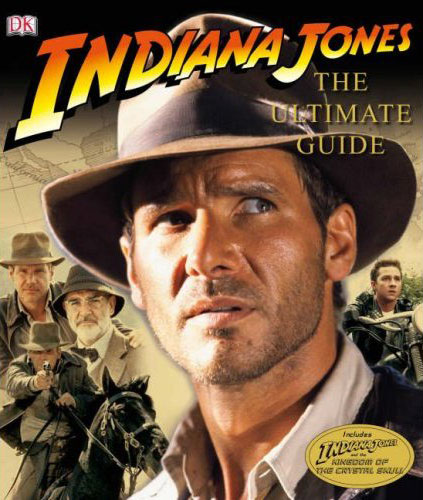
The title of Indiana Jones
Uses bright , vibrant and comical colors to stand out among other film titles. The background shows the characters in the film , they are positioned in a specific way so we know who the characters are , for example the main character is further forwards than the others so we know he is the main character. on either side there are his partners and his dad , this shows the viewer the relationship between the characters. Using the rule of thirds Indiana is positioned in the middle of the frame showing us that he is the main focus of the image.
Thursday, 30 January 2014
Institution
Warner Bros pictures : i would probably choose Warner brothers to distribute my film because they're a multi national film distributor. they have alot of experience with larger film series like Sherlock Holmes and bugs bunny. it is more appealing to me that they are a large film distributor due to film piracy and film budget, theese factors are important as when making a film it is important that you have a high enough film budget for props, editing and other film essentials.
New Line cinema : new line cinema would be a more suitable choice to distribute my film because they have produced big films such as rush hour 1,2 and 3 , these films started of small and unknown however with the aid of new line cinema they grew into popular well known films.
New Line cinema : new line cinema would be a more suitable choice to distribute my film because they have produced big films such as rush hour 1,2 and 3 , these films started of small and unknown however with the aid of new line cinema they grew into popular well known films.
Man Of Steel
The film starts with supermans mother giving birth to him , the facial expressions shown indicate frustration and pain. The lighting is used on this scene to exaggerate the sweat and tears of the mother , it also exaggerates the facial expression used by the mother. The camera then cuts to reveal an object , which we can assume to be either futuristic or alien. The object shows the picture of the baby , then the camera cuts to the fathers face , the light is focused on his facial expressions and the rule of thirds is used to put the father into the main focus of the scene, The camera zooms out to a long shot to show the room and the surroundings. the robots in the room also back up my previous hypothesis that they are either in the future or on another planet. The camera then alternates back and forth cutting to either the fathers or moms facial expressions, this quick cutting can be used to play on the viewers emotions and fasten the pace of the scene. The camera reverts back to the long shot to show the room again , possibly to give us a second look or the show the characters positions in the scene. The cutting then slows down and slowly reveals the birth of the baby , using the rule of thirds indicates the importance of the baby and it's significance to the story line. tHe lighting indicates the baby is the main focus of the shot and that the importance of the scene is his birth. Finally the camera cuts to the landscape and wildlife of the planet to confirm our theory that the opening of the film is set on another planet.
Sherlock Holmes - Game Of Shadows
firstly the film opens with an animation listing the producers and studios involved. the layout of this animation is similar to a very old book, from this we can deduct that this film is probably not set in modern times. the next thing i notice is the text color and font, it is all black and ink like as if it was hand written witch fits the theme of the film being set in the past. the animation then follows through the book as if it were being read by us (the viewers.) the camera also moves from an eye view, like we're looking out the eyes of the person ready. it then fades to a magnifying glass and a stopwatch, this signifies a classic stereotypical 16th century detective. the camera then pans across some paper with writing on it, from this i now know we are most likely in a writers study. as the camera continues to pan it reveals a typewriter which confirms my previous theory. a voice over then starts to tell the story Watson is typing. the camera shows his face so we know what the character/writer looks like as he continues to tell the story as he continues to tell his story his voice is interupted by a loud explosion which would draw the viewers attention to the screen. we then follow a package being carried around by a lady who is revealed to be the women from the previous sherlock homes film. the camera then draws attention to a man in disguise gathering beans and other sorted seeds. he then begins to talk to the women indicating a relationship between the two of them. the clothes worn also confirms me previous theory of the film being set in the 16th-18th century.
Film Genre
Genre
crime and mystery : this fits our film best with the storyboard we have so far.
in a crime and mystery movie you'd expect to see a detective or detectives working together to solve a crime, usually the good guys and the bad guys have a previous history resulting in a meeting later on in the movie, this adds to the back story that the viewers wouldn't be shown but would have to piece together themselves what happened. in the introduction of a crime and mystery movie it should show the crime in minimal detail and introduce the characters, this helps the movie along as by doing this they know the difference between the good guys and bad guys.
crime and mystery movies generally exploit the attention of the viewer, meaning they push you to form your own version of the case to work out who the criminal is, the movie slowly feeds you either false or true information which will change the outcome of the movie. for example if the information given is false the ending usually has a back story of all the hidden evidence that reveals the true criminal, and if the information given is true it leads to the viewer working it out for themselves.
crime and mystery : this fits our film best with the storyboard we have so far.
in a crime and mystery movie you'd expect to see a detective or detectives working together to solve a crime, usually the good guys and the bad guys have a previous history resulting in a meeting later on in the movie, this adds to the back story that the viewers wouldn't be shown but would have to piece together themselves what happened. in the introduction of a crime and mystery movie it should show the crime in minimal detail and introduce the characters, this helps the movie along as by doing this they know the difference between the good guys and bad guys.
crime and mystery movies generally exploit the attention of the viewer, meaning they push you to form your own version of the case to work out who the criminal is, the movie slowly feeds you either false or true information which will change the outcome of the movie. for example if the information given is false the ending usually has a back story of all the hidden evidence that reveals the true criminal, and if the information given is true it leads to the viewer working it out for themselves.
Tuesday, 10 December 2013
Star Wars The Phantom Menace
The film starts with the title and quick story with the theme music played in the background , this can be used to show the movie is clearly of the star wars franchise. the camera then pans to follow the ship as it flies past , the ship is lit and a light grey to show it is the main focus of the camera , the camera pans with the ship to reveal a planet which we can assume to be it's destination. the camera then cuts to a mid shot of the pilot and reveals a character that is clearly not human, showing the film contains aliens and the space ships would indicate that the film is set in the future. the lighting here is dim drawing attention to the outside of the spaceship which shows another space station. The camera continues to follow the path of the sip by panning round until it cuts to the ship landing in the space station. The camera reveals robots and two hooded characters , introducing the main characters and the enemies of the film. The two headed characters are shown in the middle of the screen , using the rule of thirds we now know they are important to the scene. the camera pans , keeping the characters in the middle of the screen as to show their importance. again the lighting is mainly focused on the outside of the spaceship to draw attention to the fact that they are in space. The composition of the scene keeps the characters in focus and directly in the middle of the screen as to show their importance to either the story line or the scene.
Sunday, 8 September 2013
Camera Movements
So for this section instead of using scenes from the same video i just searched online for examples of each camera movement.Hopefully this is in enough detail.
PAN: The pan movement to me is a moving point of interest witch is followed by the camera to highlight what the p.o.i is, also gives a full view of the p.o.i and the speed and the way it moves, this can be used to portray emotion in how fast it's moving and the way it's moving. The background and scenery can also play a big part in this particular movement as it shows more than just one angle of the scenery as it can go up to a maximum of a 360 degree view.
Tracking shot: In my opinion this shot is used when showing facial expressions at a close range. Could also be used to show specific lighting views such as when the lighting is used to highlight the p.o.i. this shot is mainly used for facial expression and a larger view of the p.o.i, when highlighting facial expressions this can be used to define the mood of the character/object.
Tilt: Personally i think tilt is used to show a characters full body language and facial expression or to create suspense. suspense is created when the camera tilts but does not show the actual p.o.i till the very last moment for example in a crime show when you suspect someone but when the camera tilts it reveals the face last to create a line of suspense as to who it was. the tilt can also show of lighting and a different perspective of the scenery in the background.
Pull focus: I think pull focus is used to highlight two separate p.o.i's. two characters but at a different time in the same scene which allows you to focus on both characters expressions both bodily and facially at a different time so you can see bot instead of just one.
Crane: Crane is used to show a sky view of the scene this is good for showing the layout of the scene and also to show something specific that you can't normally see from a different angle so the crane is used to show it from another angle.could also show some feeling as to the tension of the scene and how each character reacts.
Aerial: a vertical angle on the scene which shows the scene from a different angle. this angle shows the layout and the views you wouldn't be able to use when looking at a straight focus on the scene.
Whip pan: Shows a quick glance at the scene. this angle wouldn't be used to highlight a p.o.i as the camera moves to fast to capture anything important.can also be used when trying to focus on peoples facial expressions within a short time frame making the viewer quickly inter prate a quick analysis of what the character is thinking or planning.
Handheld: Can be used to create tension between the scene and viewer for example when used in horror films to show the characters movement from an eyesight view. This can show the viewer what he character is feeling for example when the camera is shaking rapidly we know the character is heavily breathing which can show he/she is scared or out of breath.
PAN: The pan movement to me is a moving point of interest witch is followed by the camera to highlight what the p.o.i is, also gives a full view of the p.o.i and the speed and the way it moves, this can be used to portray emotion in how fast it's moving and the way it's moving. The background and scenery can also play a big part in this particular movement as it shows more than just one angle of the scenery as it can go up to a maximum of a 360 degree view.
Tracking shot: In my opinion this shot is used when showing facial expressions at a close range. Could also be used to show specific lighting views such as when the lighting is used to highlight the p.o.i. this shot is mainly used for facial expression and a larger view of the p.o.i, when highlighting facial expressions this can be used to define the mood of the character/object.
Tilt: Personally i think tilt is used to show a characters full body language and facial expression or to create suspense. suspense is created when the camera tilts but does not show the actual p.o.i till the very last moment for example in a crime show when you suspect someone but when the camera tilts it reveals the face last to create a line of suspense as to who it was. the tilt can also show of lighting and a different perspective of the scenery in the background.
Pull focus: I think pull focus is used to highlight two separate p.o.i's. two characters but at a different time in the same scene which allows you to focus on both characters expressions both bodily and facially at a different time so you can see bot instead of just one.
Crane: Crane is used to show a sky view of the scene this is good for showing the layout of the scene and also to show something specific that you can't normally see from a different angle so the crane is used to show it from another angle.could also show some feeling as to the tension of the scene and how each character reacts.
Aerial: a vertical angle on the scene which shows the scene from a different angle. this angle shows the layout and the views you wouldn't be able to use when looking at a straight focus on the scene.
Whip pan: Shows a quick glance at the scene. this angle wouldn't be used to highlight a p.o.i as the camera moves to fast to capture anything important.can also be used when trying to focus on peoples facial expressions within a short time frame making the viewer quickly inter prate a quick analysis of what the character is thinking or planning.
Handheld: Can be used to create tension between the scene and viewer for example when used in horror films to show the characters movement from an eyesight view. This can show the viewer what he character is feeling for example when the camera is shaking rapidly we know the character is heavily breathing which can show he/she is scared or out of breath.
Saturday, 7 September 2013
Framing and camera shots
The following pictures were all taken from the same youtube video with neal patrick harris and the TONY awards. http://www.youtube.com/watch?v=ne2KoHAaE8A
 Picture 1:Extreme close-up (able to see facial expressions clearer this allows the scene to be more clear and sometimes more tense, also allows you to be able to see the makeup and hair in more detail to in someways credit the artist who styled it.)
Picture 2:Big close-up (In slight difference to the extreme close-up it shows off the costume a little more and allows you to see more of the background)
Picture 3:Close-up (This shot shows of alot more of the costume and make it easier to see the body language the person is using as well as a clear shot of the facial expression, so it can show both body language and facial expression to really convey what the actor/person is feeling)
 Picture 4:Mid shot (In slight difference to the close-up the mid shot shows more of the back groundm,props and costume.This shot focuses more on the body language and less on the upper features of the actor.)
Picture 5:Mid long shot (A more zoomed out shot more of the back ground of the scene.)
Picture 6:Long shot (Shows the actors full body language and the full stage, In the shot you can clearly see the lighting and what it's pointing out, in this photo the lighting is focusing on the main singer.)
 Picture 7:Extreme long shot (Shows the full lighting and stage, enables you to see the main focus of the lighting)
Picture 8:Worm's eye view (Shows off more of the audiences view of the show)
Picture 9:Bird's eye view (allows you to see the whole stage and part of the audience, in this shot it shows the lighting clearly and focuses on a smaller point of interest.)
 Picture 10:Aerial view (Shows the lighting from a different perspective and the layout of the scene.)

Picture 2:Big close-up (In slight difference to the extreme close-up it shows off the costume a little more and allows you to see more of the background)
Picture 3:Close-up (This shot shows of alot more of the costume and make it easier to see the body language the person is using as well as a clear shot of the facial expression, so it can show both body language and facial expression to really convey what the actor/person is feeling)

Picture 5:Mid long shot (A more zoomed out shot more of the back ground of the scene.)
Picture 6:Long shot (Shows the actors full body language and the full stage, In the shot you can clearly see the lighting and what it's pointing out, in this photo the lighting is focusing on the main singer.)

Picture 8:Worm's eye view (Shows off more of the audiences view of the show)
Picture 9:Bird's eye view (allows you to see the whole stage and part of the audience, in this shot it shows the lighting clearly and focuses on a smaller point of interest.)

Sunday, 1 September 2013
Subscribe to:
Posts (Atom)